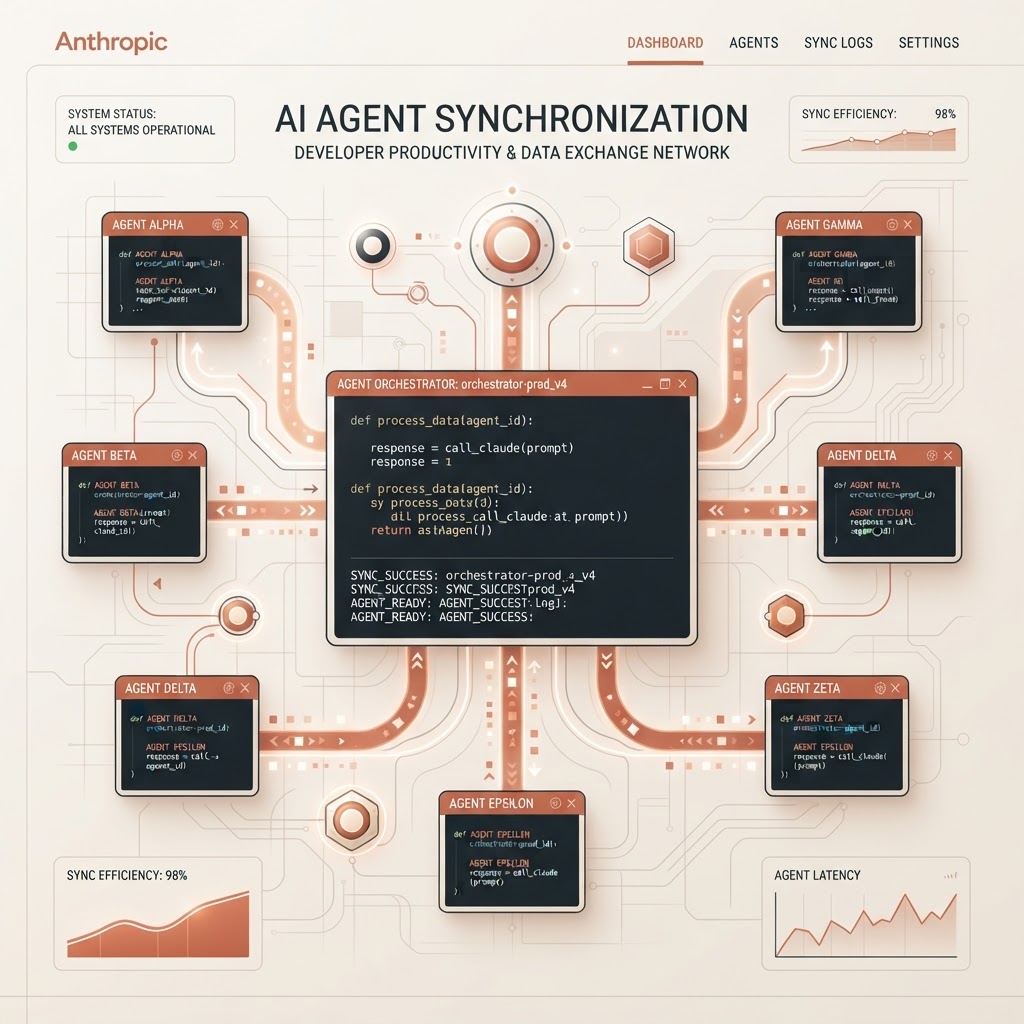
Claude Code Now Supports Artifacts: Turning AI Sessions into Live Pages
Anthropic's Claude Code can now capture coding sessions as live, shareable visual Artifacts, bridging the gap between developers and cross-functional teams.
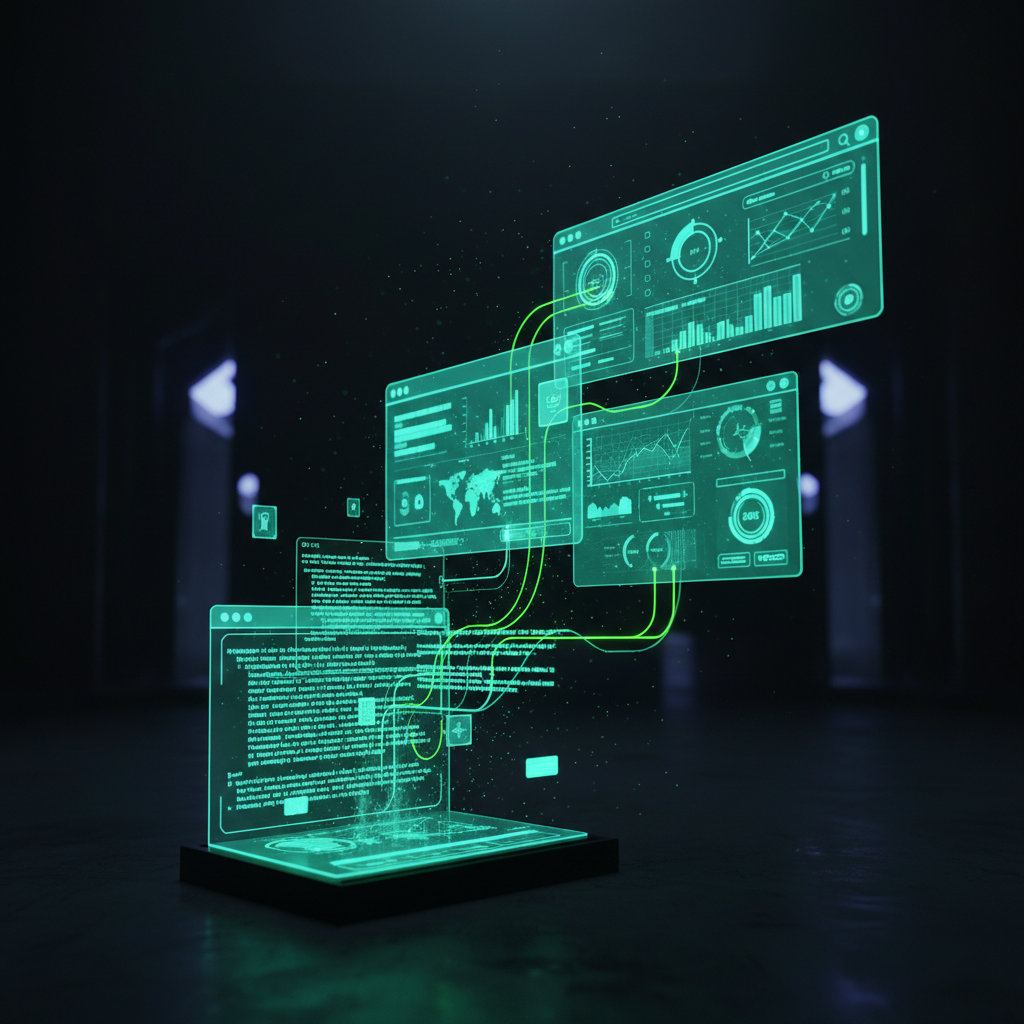
Artifacts in Claude Code turn complex coding sessions into live, shareable web pages for seamless team collaboration.
Bridging the Gap Between the Terminal and the Team
AI coding assistants have historically functioned as highly capable, yet isolating, pair programmers. While a developer might use an AI agent to perfectly unravel a complex bug or map out a convoluted legacy architecture, sharing those hard-won insights with the rest of the team usually requires tedious copy-pasting, taking screenshots of terminal outputs, or manually writing up a Slack summary. Starting today, Anthropic is solving this communication bottleneck. Claude Code now officially supports Artifacts, transforming private, context-heavy AI coding sessions into live, interactive, and shareable web pages.
Artifacts were originally introduced as a popular feature in the main Claude web interface, allowing users to generate standalone React components, SVG graphics, and interactive documents. Bringing this capability directly into Claude Code—Anthropic's dedicated developer tool—represents a major leap forward in how engineering teams collaborate. Instead of just writing code, Claude Code can now dynamically generate PR walkthroughs, system explainers, dashboards, and release checklists that update themselves in real-time as your development session progresses.
How Claude Code Artifacts Work
The magic of Artifacts in Claude Code lies in its deep integration with your existing workflow. When Claude Code builds an Artifact, it isn't just generating boilerplate text; it utilizes the full context of your active session. This includes deep awareness of your local codebase, active API connectors, monitoring tools, and the ongoing conversational reasoning between the developer and the AI.
According to Anthropic's announcement, developers do not need to wire up external data sources, manage web hosting, or stand up new infrastructure to share these insights. You simply ask Claude Code to visualize the data, and it builds a standalone page from the existing environment context. Crucially, these are live pages that update in place. As the developer continues to work through a problem, Claude Code refreshes the Artifact automatically. Teammates clicking the shared link will see the updates the moment they are published. Every update is tracked with comprehensive version history, allowing users to restore previous states at any time, while a built-in gallery provides a centralized hub to browse and manage all generated Artifacts.
The SRE Debugging Use Case: A Real-World Example
To understand the practical impact of this feature, consider the typical morning of a Site Reliability Engineer (SRE). An engineer might kick off an incident investigation right before a morning standup. Traditionally, they would grep through logs, try to identify a suspect commit, and then attempt to verbally explain the root cause to stakeholders.
With Claude Code, the engineer can instruct the AI to work through the application logs and immediately publish an Artifact. Within seconds, Claude generates a live dashboard featuring a timeline of events, hyperlinks to the suspect Git commits, and an embedded error-rate chart. The engineer simply drops the Artifact link into the team's Slack channel. By the time the standup meeting begins, Claude has already republished the page twice as the investigation uncovers new details. Stakeholders no longer have to parse technical jargon or "walk through what the agent found"; everyone is looking at the same synchronized view, built from the same live context.
Cross-Functional Collaboration Across the Org
While debugging is a primary use case, Anthropic designed Claude Code Artifacts to serve a wide array of roles across an engineering organization. By simply asking for a visual representation of work, different departments can leverage AI-driven insights:
- Software Engineers: Generate a Pull Request or bug walkthrough that reviewers can easily follow, complete with code diffs, testing steps, and the underlying architectural reasoning.
- Security Teams: Conduct automated security reviews that compile findings into a clear Artifact, linking directly to the exact lines of vulnerable code so fixes are completely unambiguous.
- Legal & Open Source: Run a rapid license audit of every repository dependency, automatically flagging copyleft licenses straight from the codebase into a clean compliance report.
- Privacy & Compliance: Create a detailed data-flow map visualizing exactly where personal data is collected, logged, and stored across various microservices for upcoming privacy reviews.
- FinOps & Platform Finance: Map cloud resources directly from Infrastructure-as-Code (like Terraform) into a categorized dashboard, highlighting primary cost drivers and orphaned resources.
- Staff Engineers & Architects: Visualize how complex microservices actually fit together. Instead of drawing on a whiteboard based on assumptions, the AI draws service maps directly from the real import graph.
- Designers & Frontend Engineers: Generate multiple UX directions for a new screen, constructed dynamically from the team's actual production component library so the chosen design is immediately shippable.
- Engineering Managers: Automatically compile a weekly summary page of what actually shipped, grouped by project and built directly from merged PRs.
Enterprise-Grade Security and Availability
Because Claude Code operates directly on proprietary codebases and sensitive infrastructure logs, security and access control are paramount. Anthropic has ensured that every Artifact is private to its author by default. When an engineer is ready to share their work, they can explicitly grant access to teammates.
Crucially, these Artifacts are restricted entirely to authenticated members of the user's organization and cannot be made public to the open web. For IT and security administrators, Anthropic provides robust org-level controls. Admins can toggle the feature entirely, implement role-based scoping, define strict data retention policies, and maintain comprehensive org-wide visibility through the Claude compliance API.
Conclusion: The Evolution of the AI Developer
The introduction of Artifacts in Claude Code signals a shift in how we perceive AI coding assistants. They are no longer just tools for generating boilerplate or autocompleting functions; they are becoming comprehensive knowledge-sharing platforms. By seamlessly translating dense code, logs, and architectural data into accessible, live-updating web pages, Claude Code is empowering developers to spend more time building and significantly less time communicating status updates. Artifacts is currently available in beta for Claude Team and Enterprise organizations via the Claude Code CLI and desktop app, with generated pages viewable in any modern web browser.
Enjoyed this?
Get more posts like this delivered to your inbox.