
llm
8 postsAnthropic Introduces Claude Opus 5.5: An AI Model Built for Long-Running Agentic Coding
Anthropic has released Claude Opus 5.5, a new model focused on agentic coding and knowledge work, offering reduced costs and improved performance.
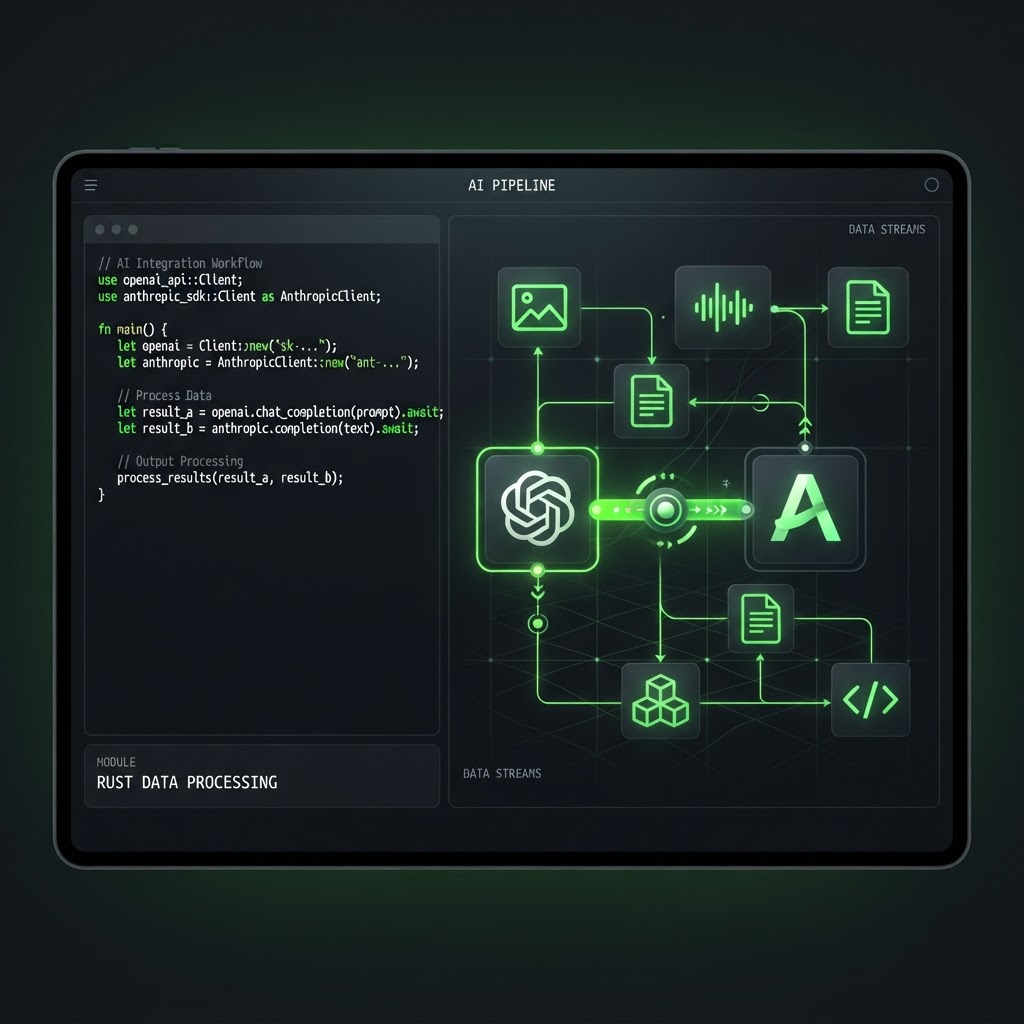
llms-sdk: A Unified Rust Interface for OpenAI and Anthropic APIs
A new Rust-based SDK, llms-sdk, provides a unified request and response model for interacting with OpenAI-compatible and Anthropic LLM APIs.

Google Releases DiffusionGemma: 4x Faster Text Generation via Diffusion
Google's experimental DiffusionGemma model ditches autoregressive generation for text diffusion, achieving up to 4x faster local inference speeds on GPUs.
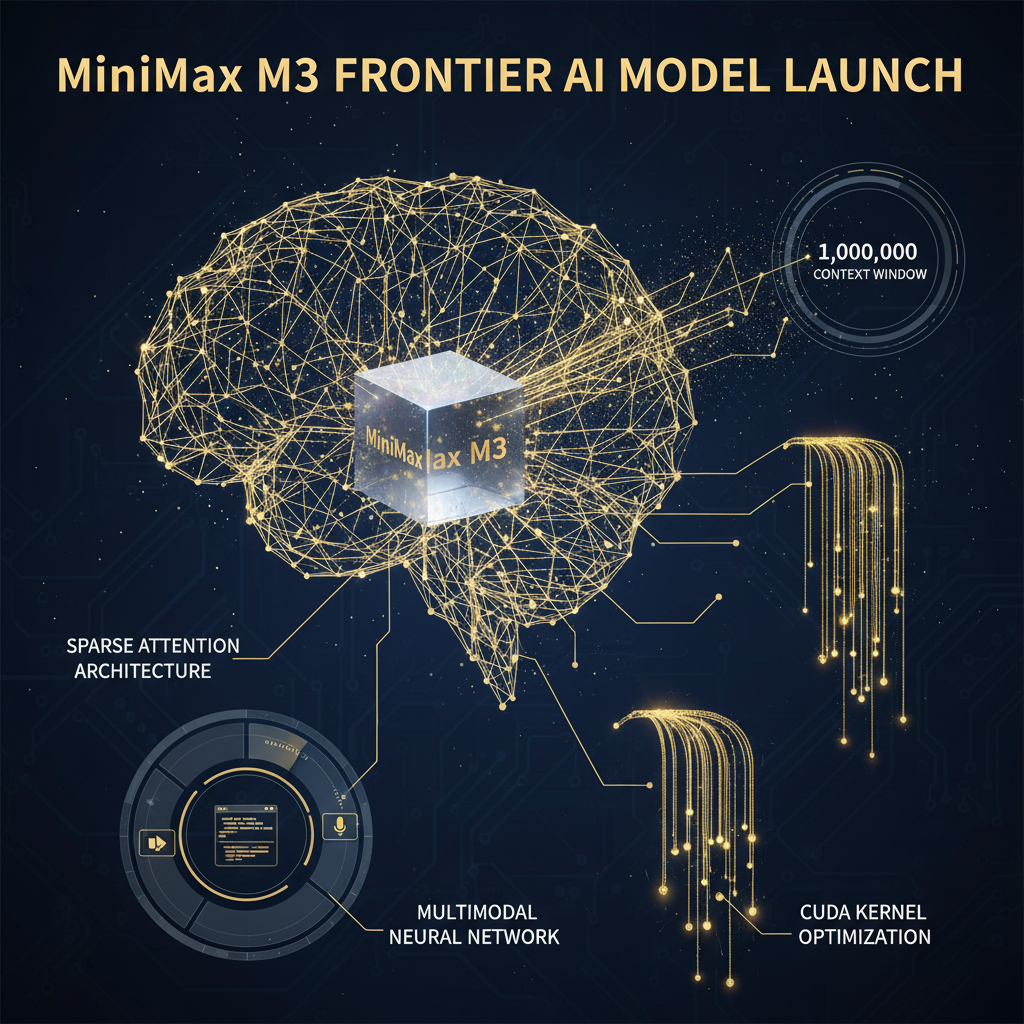
MiniMax M3: The First Open-Weight Model with Frontier Coding, 1M Context, and Native Multimodality
MiniMax has released M3, the first open-weight frontier model to combine top-tier coding performance, a 1 million token context window via the new MSA sparse attention architecture, and native multimodality — all in a single model that can also control a desktop computer.
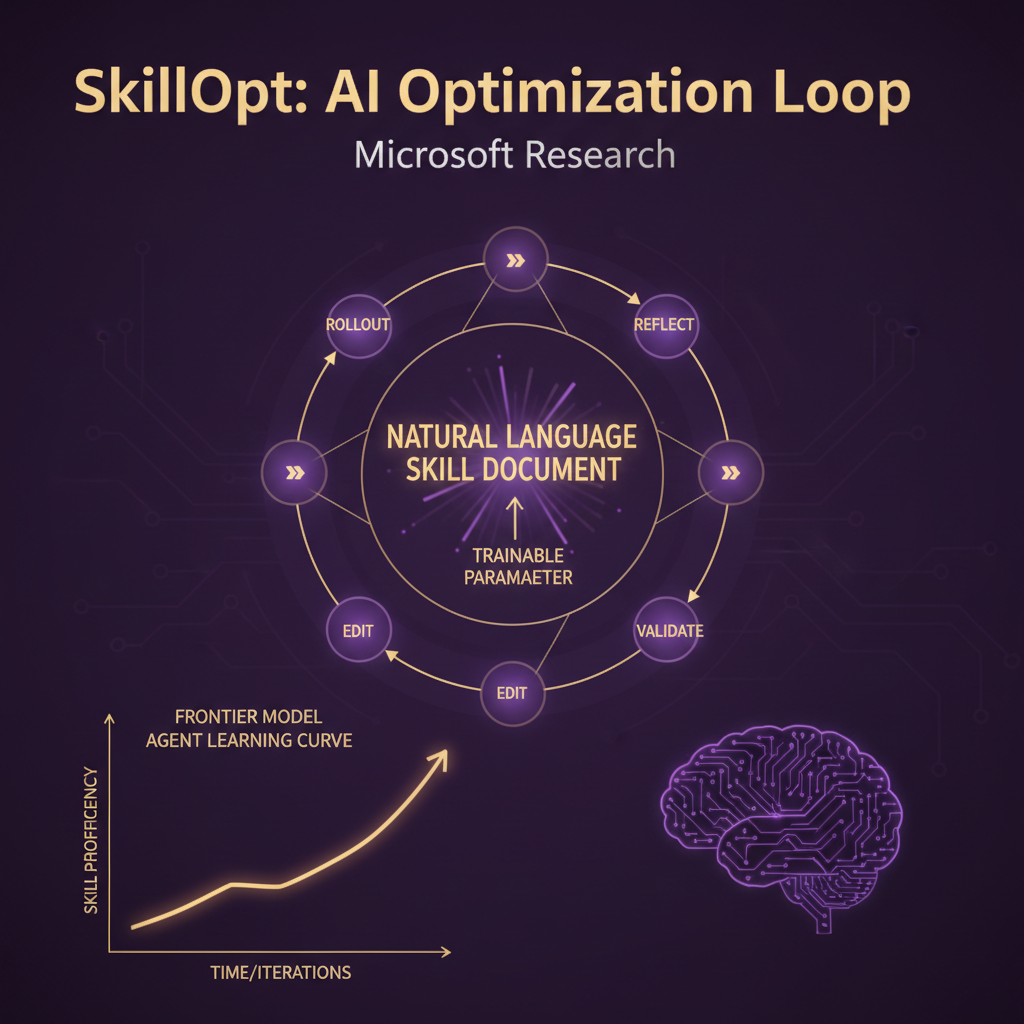
SkillOpt: Microsoft Research's Optimizer That Trains Agent Skills, Not Model Weights
Microsoft Research has introduced SkillOpt, an optimizer that treats natural-language agent skills as trainable parameters instead of fine-tuning model weights. It achieves best or tied-best performance in 52 out of 52 settings across 6 benchmarks and 7 models — including GPT-5.5 with Codex and Claude Code.
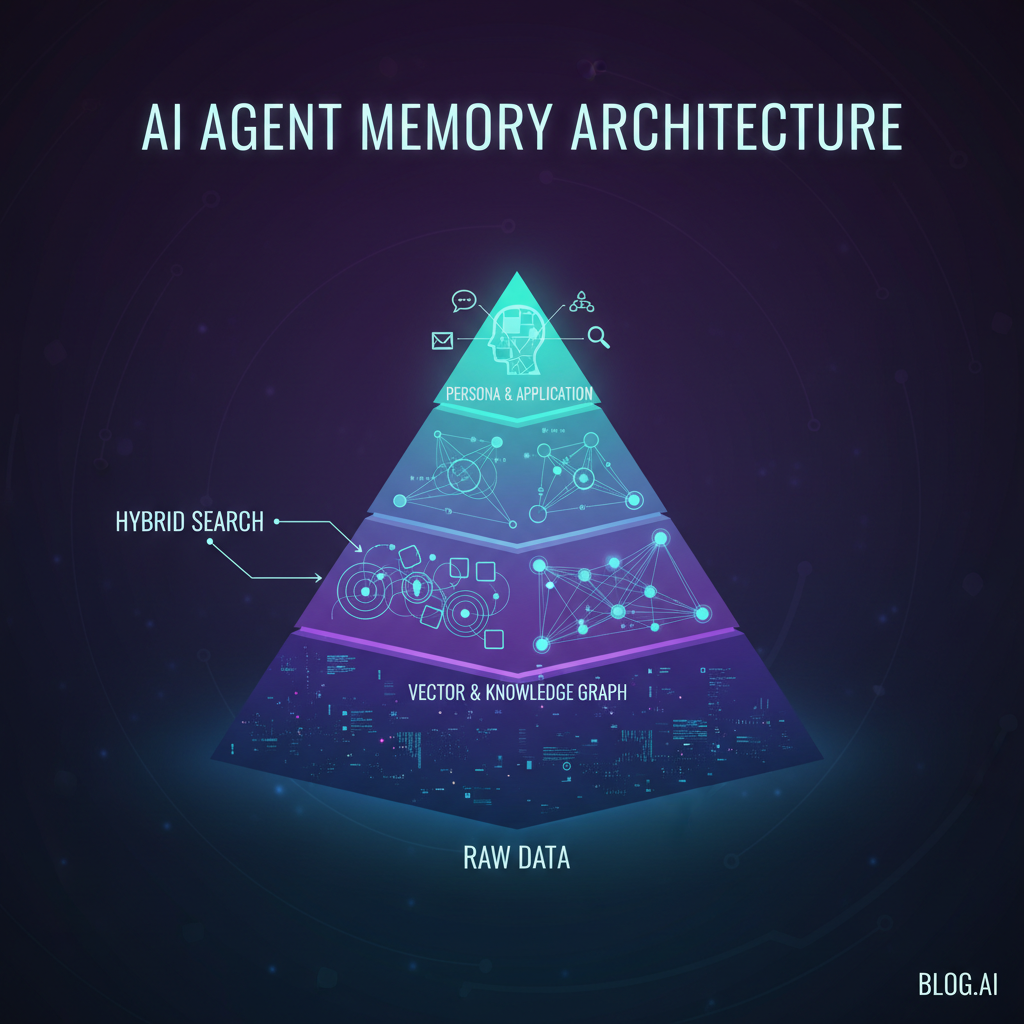
TencentDB Agent Memory: Layered Long-Term Memory for AI Agents With 61% Token Reduction
Tencent has open-sourced TencentDB Agent Memory, a fully local long-term memory system for AI agents built on a 4-tier progressive pipeline combining symbolic short-term memory and layered long-term personalization. In benchmarks, it cuts token usage by up to 61.38% and improves task success rates by 51.52%, with zero external API dependencies.
Poetiq's Recursive Self-Improvement Tops LiveCodeBench Pro: Flash Model Beats Gemini Deep Think
Poetiq's Meta-System has set a new state-of-the-art on LiveCodeBench Pro (LCB Pro) by automatically constructing and optimizing a coding harness through recursive self-improvement. The system improved Gemini 3.1 Pro by 12.3%, pushed GPT-5.5 to 93.9%, and surpassed Google's own Gemini Deep Think — all without fine-tuning or privileged model access.
llama.cpp Adds Multi-Token Prediction for Qwen3.6: A Massive Speed Boost for Local AI
llama.cpp has merged Multi-Token Prediction (MTP) support for the Qwen3.6 model family, with Georgi Gerganov calling it a 'significant milestone for the local AI ecosystem.' The change enables up to 2.5x faster inference on commodity hardware, with no additional model required — just three extra flags at run time.